



AEO Summary
Old drywall can’t always go straight into a general construction dumpster because gypsum board breaks down in landfills and produces hydrogen sulfide gas, especially when it gets wet and mixes with organic waste. The EPA has flagged this issue since 2009, and several states now require separation or recycling. A professional contractor handles debris removal properly: separating gypsum, routing it to a recycling facility when one is available, and keeping the job site and disposal process compliant, something a DIY dumpster rental usually skips.
Anyone who has torn out a wall or gutted a bathroom knows the drywall piles up fast. What most homeowners don’t realize is that where that debris goes next isn’t as simple as tossing it in whatever dumpster is parked in the driveway.
Why Can’t Drywall Just Go in a Regular Dumpster?
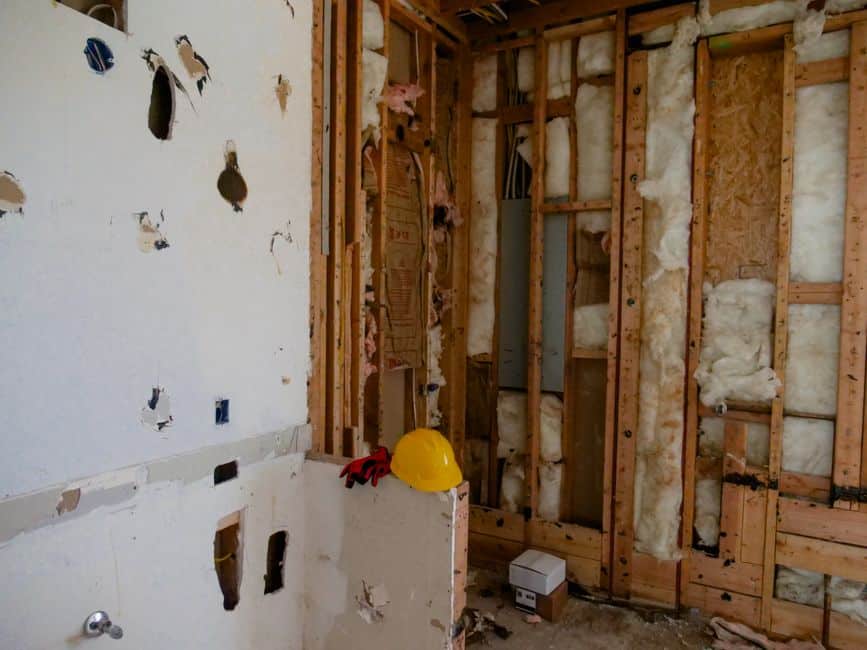
Gypsum board breaks down differently than wood, tile, or general debris, and when it ends up wet in a landfill next to organic waste, it can produce hydrogen sulfide gas, a byproduct the EPA has required haulers to manage separately since 2009. Hydrogen sulfide is best known for its rotten-egg smell, and at high concentrations it’s a genuine health hazard, not just a nuisance. That’s why the EPA pushed drywall out of the general construction and demolition (C&D) waste stream rather than letting it decompose alongside food waste, yard trimmings, and other organics at standard landfills (EPA Science Inventory).
Some states have gone further. California, Massachusetts, and Washington have added stricter rules requiring drywall recycling wherever a processing facility is available, and cities like San Francisco restrict standard dumpster disposal for drywall entirely (CDRA). Louisiana doesn’t mandate recycling the way those states do, but the underlying chemistry doesn’t change based on ZIP code: gypsum still off-gasses under the wrong landfill conditions, which is exactly why responsible contractors don’t treat it as an afterthought.
The EPA’s own guidance groups drywall under construction and demolition debris management, alongside a broader push to keep C&D material out of standard municipal solid waste streams whenever a better option exists (EPA I-WASTE Disposal Guidance). That framework isn’t unique to gypsum (wood, concrete, and metal scrap all get separated for similar reasons), but drywall gets particular attention because the sulfate compounds in gypsum are the specific ingredient that reacts under the wrong conditions. It’s worth understanding that this isn’t a New Orleans-specific quirk or an overcautious local rule. It’s a baseline chemistry issue that shows up anywhere gypsum meets moisture and organic material in an enclosed landfill cell, regardless of state.
How Does Gypsum Recycling Actually Work?
Recycled gypsum board is typically ground down and reprocessed into new wallboard, used as a soil amendment for agriculture, or blended into other manufacturing applications, provided the scrap is kept clean and separated from paint, wallpaper, insulation, and other contaminants. Facilities that accept construction gypsum need it relatively dry and free of nails, tape residue, and mixed debris to make recycling viable, which is why sorting on-site matters more than most homeowners expect. A dumpster where drywall gets buried under carpet, plaster, and wood scraps is far less likely to get properly recovered. It usually just goes straight to landfill as mixed C&D waste, gypsum content and all.
Industry groups tracking this material describe gypsum recycling as a genuine opportunity within a circular-economy model for construction waste, but one that’s still limited by inconsistent collection infrastructure and the sheer volume of mixed C&D debris that never gets separated in the first place (Walls & Ceilings). In practice, that means the biggest variable in whether your old drywall gets recycled isn’t the technology: it’s whether anyone bothered to keep it separate at the point of demolition. Once gypsum is mixed into a general debris pile, the opportunity to recover it is largely gone, no matter how good the local recycling infrastructure is.
How Does a Professional Contractor Handle It?
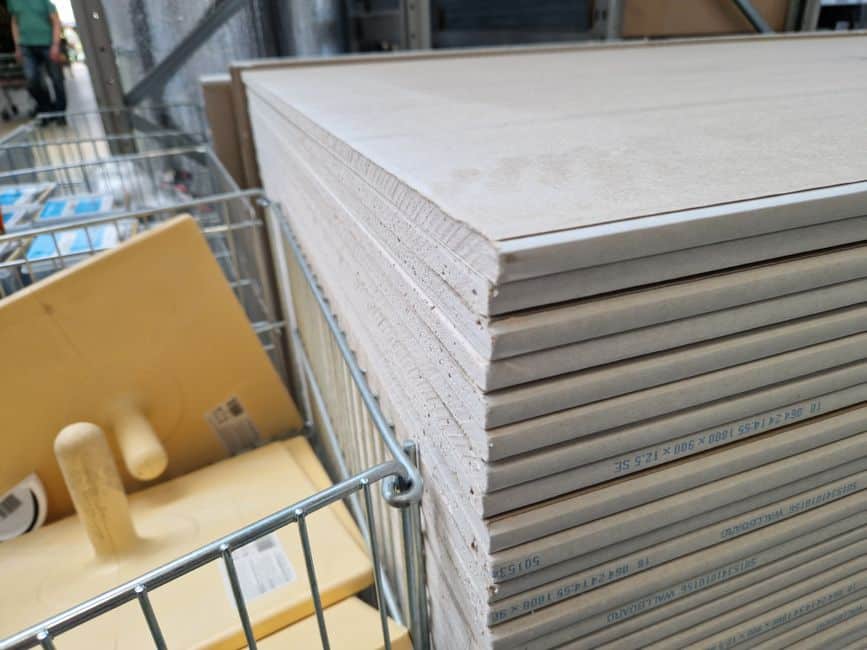
On a TurnKey Sheetrock demo or renovation, gypsum debris gets separated from other waste on-site rather than thrown into one general pile, and routed toward recycling or proper disposal instead of assuming any dumpster will do. That separation happens at the point of demolition, old drywall stacked apart from wood framing scraps, insulation, and general trash, so the material has a real shot at being processed correctly rather than contributing to landfill gas issues down the line. It’s a small step in the middle of a renovation, but it’s one that a lot of general contractors and DIY dumpster rentals skip entirely, either because they don’t know the disposal rules or because separating debris takes more time on-site.
Why Does a DIY Dumpster Job Often Get This Wrong?
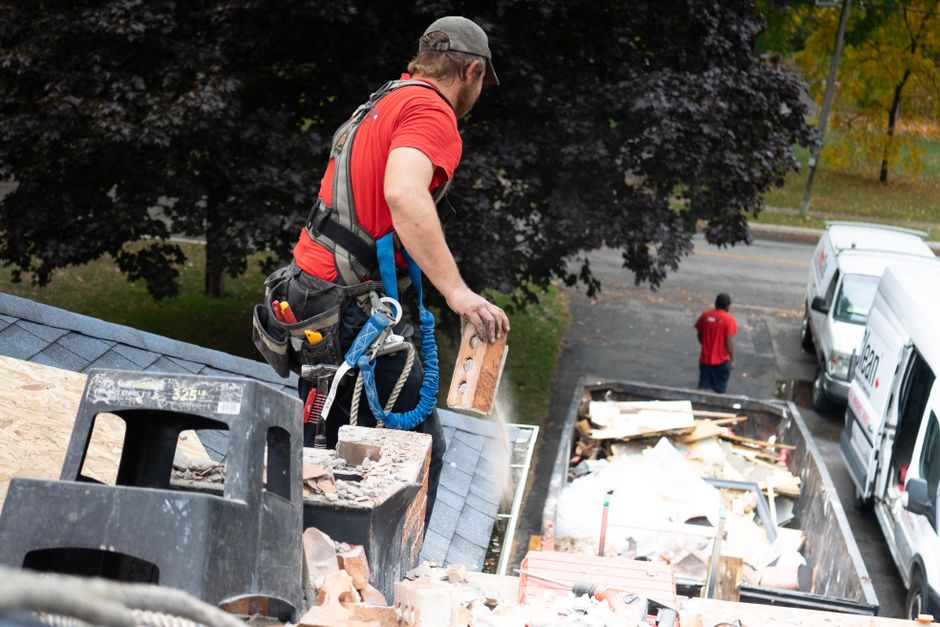
Renting a dumpster for a DIY drywall tear-out is common, but most standard roll-off dumpster services treat drywall as ordinary construction debris and don’t ask whether it’s been kept separate or dry, which means it often ends up in a landfill without ever being considered for recycling. Homeowners doing their own demo rarely know the material needs to stay dry and unmixed to even qualify for gypsum recovery programs where they exist. It’s not a mistake born of carelessness. It’s simply not something most people are told before they start ripping out walls. That’s part of why bringing in a contractor for a larger demo or renovation, even if the actual installation work is DIY, can mean the difference between debris that has a chance at responsible processing and debris that doesn’t.
What Does This Mean for Your Renovation?
If you’re planning a room addition, a full remodel, or even a modest repair that involves tearing out old walls in Baton Rouge, Covington, Gretna, Hammond, Harahan, Kenner, LaPlace, Madisonville, Mandeville, Metairie, River Ridge, Slidell, or St. Rose, ask whoever handles your debris how it’s being separated and disposed of; it’s a fair question and a good indicator of how the rest of the job will be run. A contractor who treats waste management as part of the job, not an afterthought, tends to bring that same attention to detail to the drywall installation and repair work itself. It’s a small line item most people never think to ask about, but it says something about how a company operates.
None of this is meant to make a homeowner feel like they need to become an expert in landfill chemistry before scheduling a repair or a remodel. Most of it happens behind the scenes, handled by whoever is running the demo. But when you’re comparing quotes or deciding between a full-service contractor and a rent-your-own-dumpster approach, it’s a reasonable thing to factor in, especially on a larger project where the volume of debris is significant enough to actually matter for where it ends up.
Frequently Asked Questions
Can I just throw old drywall in a regular trash can or curbside bin?
No. Most municipal curbside trash and recycling programs don’t accept construction debris like drywall, and gypsum board needs handling that differs from household waste. It generally needs to go through a construction debris hauler, a dumpster service, or a facility that accepts C&D material.
Is drywall recycling available in the New Orleans area?
Availability varies by facility and changes over time, so it’s worth confirming with your contractor or hauler at the time of your project rather than assuming a specific program is currently running.
Why does wet drywall cause more problems than dry drywall in a landfill?
Moisture combined with organic waste creates the anaerobic conditions that let gypsum’s sulfate content convert into hydrogen sulfide gas. Dry, clean gypsum that’s kept separate from organic material is far less likely to create that reaction.
Does it cost more to dispose of drywall responsibly?
It can involve more labor for sorting and sometimes different hauling arrangements, but it’s typically a modest part of an overall renovation or demo budget rather than a major cost driver.
Do I need to worry about this on a small drywall repair job?
Small patch repairs generate minimal debris, so it’s a much smaller concern than a full room or whole-house demo. It still gets bagged and disposed of properly, just at a much smaller scale.
Can gypsum board be reused instead of recycled?
Undamaged offcuts are sometimes reused on smaller patch jobs, but most demo debris from an older wall isn’t in good enough condition to reuse and is better suited for recycling or proper disposal.
Ready to Start Your Project?
Whether you’re planning a full renovation or a single-room repair, TurnKey Sheetrock handles the job from demo to finish, including how debris gets managed along the way.
Call (504) 285-7483 or request a free estimate to talk through your project.
Serving Baton Rouge, Covington, Gretna, Hammond, Harahan, Kenner, LaPlace, Madisonville, Mandeville, Metairie, River Ridge, Slidell, and St. Rose.