



Old texture, a cluster of dents from moving furniture, or a wall covered in hairline cracks doesn’t always mean you need new drywall. A lot of the time, the fix is a lot simpler and cheaper than a full tear-out.
What Is Skim Coating, Actually?
Skim coating means spreading a thin layer of joint compound over the face of an existing wall to smooth it out, hide minor flaws, and create a clean surface for paint. It’s the same compound used to finish drywall seams, just applied in wide, thin passes across the whole surface instead of over a joint. Done well, it leaves no trace of the texture, dents, or hairline cracks that were there before.
The process is straightforward for a trained crew: roll or trowel on a thin layer of compound, spread it flat with a wide knife (often 12 to 24 inches), let it dry, sand it smooth, and repeat for a second or sometimes third coat depending on how much texture or damage needs to disappear. Once it’s sanded and primed, the wall looks and paints exactly like new drywall, because the top layer effectively is new.
It’s worth being clear about what this is not. Skim coating is not the same as patching a hole or replacing a damaged section. Those are drywall repair jobs. It’s not the same as replacing a whole wall or ceiling either. It’s a resurfacing technique, and it works because the drywall underneath is still structurally fine. The wall doesn’t need to come out; it just needs a fresh, smooth face.
When Is Skim Coating the Right Call?
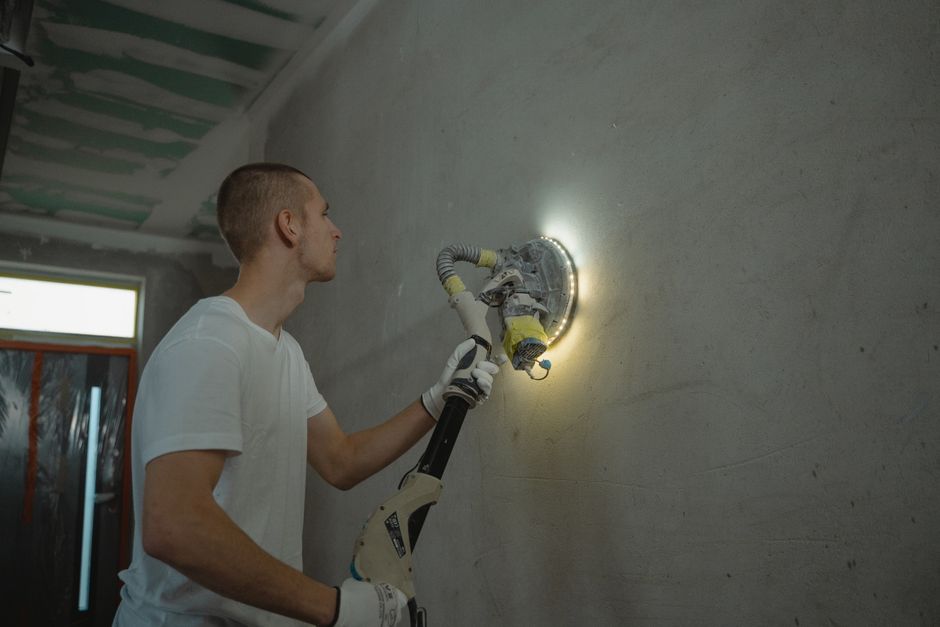
Skim coating makes sense whenever the drywall itself is sound and the problem is cosmetic: dated texture, surface dents and dings, hairline settling cracks, or prepping a wall for a smoother finish before paint or wallpaper. These are appearance problems, not structural ones, and they’re exactly what a skim coat is built to solve.
This is the situation on a lot of older homes and renovation projects in the New Orleans area: the walls are original, the texture style went out of fashion decades ago, and the owner wants a clean, modern, smooth finish instead of stipple, orange peel, or heavy knockdown. Skim coating removes that texture without touching the drywall underneath. It’s also the standard move before a home gets repainted in a semi-gloss, gloss, or enamel finish, since those sheens show every bump and imperfection that flat paint hides.
Small dents from door handles, moved furniture, or picture hangers, along with thin cracks from normal house settling, fall into the same category. As long as the compound bonds to sound drywall paper and the wall isn’t sagging, spongy, or visibly damaged behind the surface, a skim coat handles it in a single visit or two, at a fraction of what tearing out and rehanging drywall would cost.
When Do You Actually Need Replacement Instead?
Replacement is the right call when the drywall paper is torn or crumbling, the board is sagging or soft to the touch, there’s mold or a history of water intrusion, or the damage covers a large section rather than isolated spots. A skim coat only fixes what’s on the surface; it can’t fix what’s wrong underneath.
Signs that point toward replacement rather than resurfacing include drywall that flexes or feels spongy when pressed, board edges that have crumbled or gone soft, any musty smell or discoloration suggesting moisture behind the wall, and holes larger than a few inches where the paper backing is torn away rather than just dented. Compound doesn’t bond reliably to torn paper or unstable board, and skimming over a wall with hidden problems just buries the issue under a fresh coat of paint for a little while.
The scale of the damage matters too. A handful of dents or a room’s worth of dated texture is a skim coat job. A wall with damage spread across most of its surface, structural cracking around windows or doorframes, or repeated failures in the same spot usually points to something more serious than a cosmetic fix, and that’s worth a look in person before deciding which way to go.
Cost and Time Tradeoffs
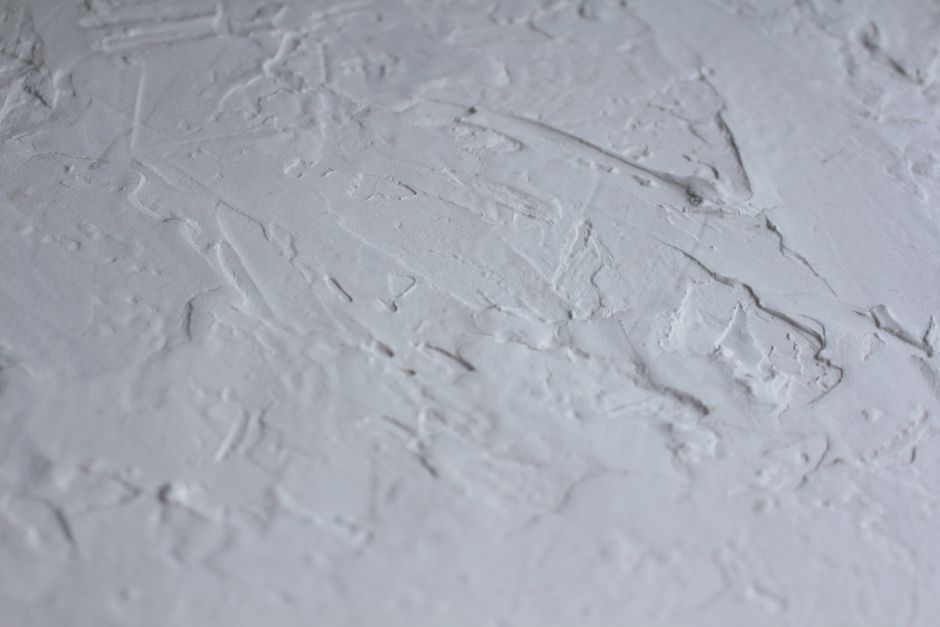
Skim coating typically runs well under the cost of full drywall replacement, since it uses the existing board and skips demolition, disposal, and rehanging labor. For homeowners weighing the two, cost and downtime are usually the deciding factors once it’s confirmed the wall itself is sound.
Resurfacing a wall with a skim coat is priced by the square foot and generally lands at roughly half the cost per square foot of installing new drywall, since there’s no framing work, no board to buy and hang, and no debris to haul away: just prep, compound, and finishing labor (Angi, 2026). A single room can often be skimmed, sanded, and primed in a day or two, compared to a multi-day process for a full tear-out and rehang that also has to account for taping, mudding new seams, and drying time between coats.
The tradeoff runs the other way when damage is extensive: patching dozens of small spots or skimming a wall that’s more crack than surface can end up costing close to what replacement would, without solving the underlying issue if there is one. That’s the point where a straight comparison of the two options, based on what’s actually happening behind the wall, is worth getting from someone who can see it in person.
DIY vs Hiring a Pro
Skim coating is technically doable as a DIY project, but getting a flat, invisible finish takes practice; an uneven skim coat is often more obvious under paint than the texture it was meant to replace. The compound itself is easy to buy; controlling its thickness and blend lines evenly across an entire wall is the harder part.
The tools matter as much as the technique: a wide taping knife or trowel, the right compound consistency, consistent lighting to check for ridges and shadows while the mud is still wet, and patience for multiple thin coats rather than one thick one. Rushing a skim coat with too much compound at once leads to cracking, sagging, or visible trowel marks once it’s painted, problems that are far more work to fix after the fact than to avoid up front.
For a small area like a closet or a single wall, a careful DIYer with the right tools can get a reasonable result. For full rooms, ceilings, or any project where the finish needs to hold up under bright or raking light, a professional crew with the experience to lay compound flat the first time is usually worth it, especially since a botched skim coat still needs to be sanded down and redone before it can be fixed.
Frequently Asked Questions
Does skim coating work over any wall texture?
It works over most common textures: orange peel, stipple, light knockdown, and similar finishes. Very heavy or deeply textured surfaces may need an extra coat or two to fully level out, but the process is the same.
Will a skim coat crack again if the wall already had hairline cracks?
Not if the cracks are from normal, settled house movement and the wall behind them is stable. The compound bridges and hides those cracks. If cracking is active and ongoing, that’s worth checking before skimming, since new cracks can telegraph back through.
How many coats of compound does a skim coat usually need?
Most walls need two to three thin coats, each sanded smooth before the next goes on. Heavier texture or deeper flaws sometimes need an additional coat to fully disappear.
Can I skim coat over wallpaper or paint?
Compound bonds best to bare, sound drywall paper. Wallpaper should generally be removed first, and glossy paint may need to be scuffed or primed so the compound adheres properly.
How do I know if my wall needs replacement instead of a skim coat?
Press on the wall: if it feels soft, spongy, or flexes, or if you see torn paper, staining, or a musty smell, that points to a problem behind the surface that a skim coat won’t solve. A sound, dented, or texture-only wall is a good skim coat candidate.
Is skim coating messy?
It’s less invasive than tearing out drywall (no demolition or debris) but sanding between coats creates fine dust. Covering floors and furniture and using a dust barrier keeps it manageable.
Ready to Fix Your Walls?
Whether it’s dated texture you’re ready to be done with or a wall that needs more than a fresh coat of compound, TurnKey Sheetrock can look at it and tell you straight which one it actually needs. We handle both skim coating and full drywall repair and drywall installation for homes and businesses across the New Orleans area, including Baton Rouge, Covington, Gretna, Hammond, Harahan, Kenner, LaPlace, Madisonville, Mandeville, Metairie, River Ridge, Slidell, and St. Rose. See our full list of custom drywall finishes or check our service areas page for your city.
Call (504) 285-7483 for a free estimate, or get in touch online. TurnKey Sheetrock is open Monday through Friday, 8:00 AM to 3:00 PM.
- skim coating wall joint compound
- contractor smoothing drywall wall
- before after textured wall smooth
- drywall knife trowel wall finish
- smooth painted living room wall