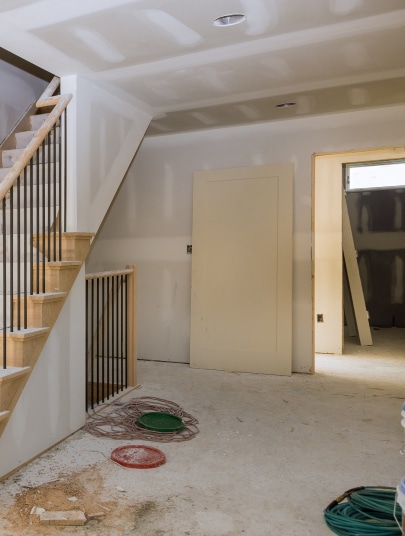
Steel studs are the better choice for most interior walls in humid, termite-prone regions because they cannot rot, warp, or be eaten by insects. Wood framing still wins for load-bearing walls, do-it-yourself projects, and walls that must hold heavy weight. For straight, long-lasting partition walls in South Louisiana, cold-formed steel is usually the smarter pick.
Every interior wall starts with a frame. For decades, that frame was almost always wood. Today, builders across the country frame more and more interior walls with cold-formed steel instead. Homeowners renovating in the Gulf South now face the same question commercial contractors settled years ago.
The debate matters more here than in most places. Our region combines heavy termite pressure, high humidity, and serious storm risk. At TurnKey Sheetrock, we frame with both materials on projects across New Orleans, Metairie, Covington, and Baton Rouge, so we see how each one performs over time.
This guide compares steel stud vs wood framing on cost, durability, fire safety, and pest resistance. It also covers the cases where old-fashioned lumber is still the right call.
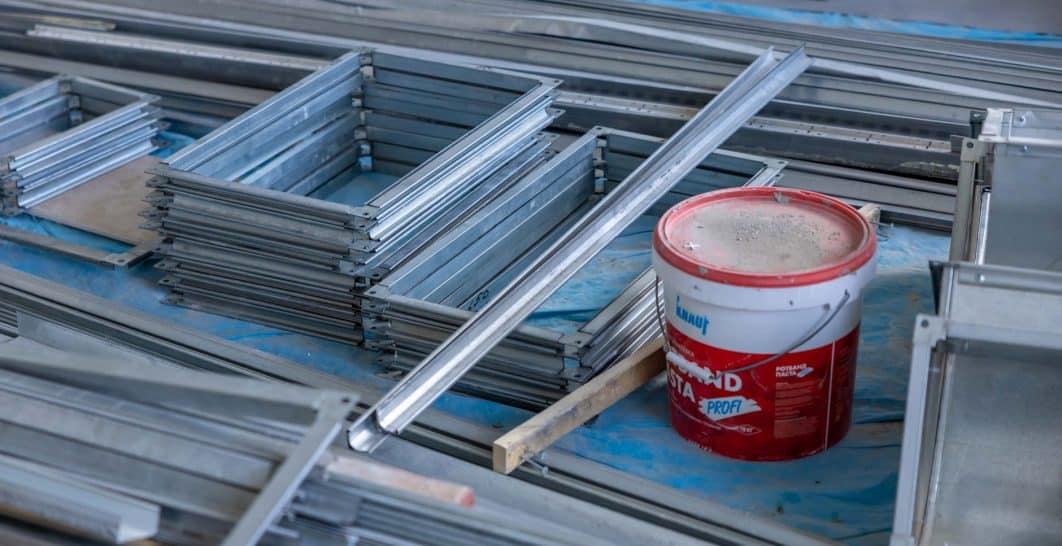
Wood studs are dimensional lumber, usually 2×4 or 2×6 boards milled from softwoods like spruce, pine, or fir. Steel studs are cold-formed steel. Mills roll thin sheets of galvanized steel into a C shape that mimics the footprint of a wood stud. Both materials create the skeleton that drywall screws into.
The two systems go up differently. Carpenters cut lumber with saws and join it with nails. Steel framers snap studs into top and bottom tracks, then lock them in place with self-tapping screws. Steel is also much lighter, so a single worker can carry a full bundle of studs up a stairwell.
Once either frame is plumb and inspected, the wall gets prepped and boarded the same way. Our team handles that next phase too, from layout through drywall installation and finishing.

Wood usually costs less upfront. Framing lumber often runs about $1.50 to $3.50 per linear foot, while steel studs cost more per piece. Steel also calls for special screws, snips, and screw guns, and many residential crews charge more because they work faster in wood.
Lumber prices swing hard, though. Wood markets have been volatile for years, and a price spike can erase the gap overnight. Steel pricing tends to hold steadier from bid to build.
Waste is the hidden cost people miss. A lumber delivery always includes bowed or twisted boards that get culled and tossed. Steel studs arrive straight and uniform, so almost every piece gets used. Over the life of the wall, steel also avoids repair bills tied to warping, rot, and insects.
Steel is non-combustible, so it adds no fuel to a fire. That is why building codes lean on steel framing for fire-rated assemblies, such as the shaft walls that protect elevator and stair shafts in commercial buildings. Wood burns, and it must be treated or protected to meet the same ratings. Some insurers also view steel-framed structures more favorably for that reason.
Moisture tells a similar story. Wood absorbs water, then swells, twists, and eventually rots. Those movements show up on your walls as nail pops, bowed sections, and cracked seams. If you are seeing those symptoms now, our drywall repair warning signs guide explains what each one means.
Galvanized steel does none of that. The zinc coating resists rust, the stud holds its shape, and the material contains nothing for mold or insects to eat. Termites, carpenter ants, and rodents simply cannot chew through it.

Louisiana carries some of the heaviest termite pressure in the United States, and Formosan subterranean termites are established throughout the New Orleans area. A 2010 LSU AgCenter report estimated that termite control and damage repair cost the greater New Orleans area about $300 million per year. A colony can hollow out wall studs long before anyone spots the damage. Steel framing takes that entire threat off the table.
Humidity is the second local problem. Gulf South moisture makes lumber swell in summer and shrink in winter, and crooked studs telegraph through the finished wall. Steel stays straight through every season, which protects your paint lines, trim, and tile.
Mold rounds out the list. After a storm or a plumbing leak, wet wood framing can feed mold colonies inside the wall cavity. Steel gives mold nothing to grow on, so a flooded wall can often be opened, dried, and reboarded. Pair that with the habits in our guide to maintaining drywall in your home and your walls will shrug off our climate.
Stud gauge describes the thickness of the steel, and the numbers run backward. A higher gauge means thinner metal. Most non-load-bearing interior partitions use 25-gauge studs, which handle standard walls up to about 10 feet tall.
Taller walls, or walls carrying heavy tile and cabinets, step up to 20-gauge for extra rigidity. Structural work uses 16-gauge and heavier. Common interior studs measure 3-5/8 inches wide and get spaced 16 or 24 inches on center, just like wood. Widths from 1-5/8 to 6 inches let framers fit chases, plumbing walls, and deep insulation cavities.
Picking the right gauge is where a professional earns their fee. The steel stud framing crews at TurnKey Sheetrock match gauge, spacing, and track to each wall’s height and load. Before boarding day, it also helps to review how to prepare a wall for drywall installation so the finish goes on clean.
Load-bearing walls in most houses still favor lumber. Residential codes, inspectors, and framing crews are built around wood structure, and dimensional lumber carries vertical loads without special engineering. Light-gauge steel can do structural work, but it needs thicker studs and an engineer’s stamp.
Wood also grips fasteners better. If a wall will hold floating shelves, wall cabinets, or a heavy TV, screws bite into lumber with no extra hardware. Mounting the same items on steel means toggle bolts or plywood backing inside the wall.
Do-it-yourselfers usually prefer wood too, since it cuts and nails with tools most garages already own. Whichever frame you choose, the drywall on top decides how the room looks. Our tips on drywall longevity and durability keep either wall looking new for decades.
No, steel studs usually cost more than wood in both material and labor. The gap narrows when lumber prices spike, and steel saves money over time through less waste and zero termite or rot repairs. For big commercial jobs, steel often wins the total-cost math.
No, termites cannot eat or damage steel studs. That matters in South Louisiana, where Formosan subterranean termites attack wood framing across the region. Steel framing removes the food source entirely, though nearby wood trim and doors still need protection.
Steel studs resist rust well because they carry a galvanized zinc coating. In normal interior walls, even in Gulf Coast humidity, that protection lasts the life of the building. Direct, repeated soaking can wear any coating, so leaks should still be fixed fast.
Yes, you can hang heavy items on steel studs with the right hardware. Snap toggles or toggle bolts spread the load across the hollow stud, and installers can add plywood backing during framing. Standard wood screws alone will strip out and should not be trusted.
Yes, steel studs are non-combustible and add no fuel to a fire. Codes rely on them for fire-rated assemblies, including shaft walls in elevators and stairwells. Wood framing can meet fire ratings, but it requires added layers or treatment to get there.
Yes, metal studs work well for any non-load-bearing wall in a house. They are a smart pick for bathrooms, laundry rooms, garages, and basements where moisture shows up. Many Louisiana homeowners choose them for renovations specifically to block termites and warping.
Ready to frame walls that stay straight through Louisiana heat, humidity, and termite season? TurnKey Sheetrock installs steel stud and wood framing, plus full drywall service, across New Orleans, Metairie, Kenner, Slidell, Covington, Mandeville, and Baton Rouge. Reach out through our contact page or call (504) 285-7483 for a free estimate.


 TurnKey Sheetrock