Keep your drywall looking fresh by regularly inspecting for cracks, dents, or water damage. Wipe clean any marks with a damp cloth, and use spackle to fill holes; once dried, sand down to a smooth finish. Periodic repainting protects the surface and rejuvenates it every few years.
Maintenance that’s done right keeps its value intact while keeping the costs of repair in check. Get top-of-the-line drywall, ready for installation. Get a free consultation today!
Drywall is durable and cost-effective, which is why it remains a popular construction material. Despite this, drywall can still develop issues. Drywall maintenance tips and simple checks can eliminate these issues and prevent them from becoming expensive repairs. Let’s talk about some common drywall issues and how to properly deal with them.
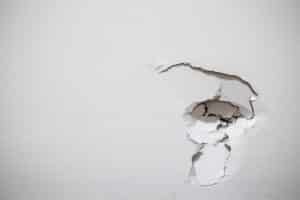 Drywall does crack and dent, but such imperfections are easy to fill when using a spackling compound that dries quickly with a smooth finish. Light sanding when using fine-grit sandpaper ensures it will blend in seamlessly before painting. Applying good-quality paint to match the repair will restore the look of the wall. Inspecting door frames and windows regularly will help spot small cracks soon. Dents from bumps are minor and easily fixed with minimal tools.
Nail pops can signal some structural problems, while loose screws indicate a need to tighten them down to secure the drywall around holes that have been filled, sanded, and painted. Persistent nail pops may indicate serious issues such as improper installation or studs that are shifting, and more inspection is required.
Water stains commonly indicate a leakage or excess moisture and can breed mold if not addressed immediately. The first is finding the leak or source. Then, they should be checked by using the moisture meter, which could be its gravity. Having repaired the problem source, patch up or replace damaged dry walls as soon as possible. Using moisture-resistant drywall in damp areas in a bathroom should also be employed for extra safeguarding.
Peeling paint or wallpaper is typically a sign of moisture and poor adhesion. Look for mold in damp areas and clean with a bleach-water solution, if necessary. To avoid such problems in the future, ventilate wet areas like kitchens and bathrooms better. Use mold-resistant paint or quality wallpaper to ensure finishes last.
Mold and mildew thrive in moist areas. Drywall can become discolored if moisture-rich conditions occur. Wash your walls once a week with a damp cloth or dust your walls to maintain them. Monitor the humidity levels of the area by purchasing a hygrometer, and consider purchasing dehumidifiers for space that contains moisture for drywall protection.
Maintaining drywall is simple when done through regular inspections and repairs. Regular upkeep helps to prevent both the drywall and paint from becoming expensive problems. This approach helps to prolong their life span, which will save you time and money; thus, a clear plan is essential.
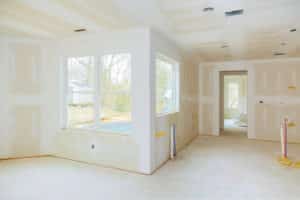 Regular maintenance and checks can prevent tiny issues from developing into costly repair jobs. To start with, dust the walls using a soft cloth or a vacuum brush to remove dirt particles that may tarnish the finish. For cleaning purposes, dampen a sponge and use it to wipe debris off the walls without soaking them, thus ensuring your walls always look fresh. Also, inspect for cracks and stains so they can be tackled early and won’t become a costly fix.
Regular cleaning keeps drywall looking good. Use gentle cleaners and soft sponges to avoid damage and yellowing. Dusting often prevents buildup that can harm the walls. Many homeowners find that cleaning twice a year and doing simple inspections helps maintain their walls.
Seal around windows and doors to prevent moisture access; equip the kitchen and bathroom with exhaust fans to decrease steam. If you have a basement, consider installing a dehumidifier. Check from time to time for leaks in plumbing, since even a small leak can be destructive to your drywall. Take preventive measures now that will save you heavy repair bills later on.
Pay attention to vulnerable spots like seams and corners. Use joint tape and compound to strengthen these areas, applying a second coat for smoothness. Install corner guards in high-traffic areas to prevent damage. For dents, apply joint compound two to three times, lightly sanding between coats for a smooth finish. This enhances durability and creates a neat look.
Nail pops are a common issue. To prevent them, use drywall screws for better support and regularly check for loose screws. Adding adhesive can strengthen joints and minimize movement. Drywall maintenance tips will help keep your walls stable and looking good.
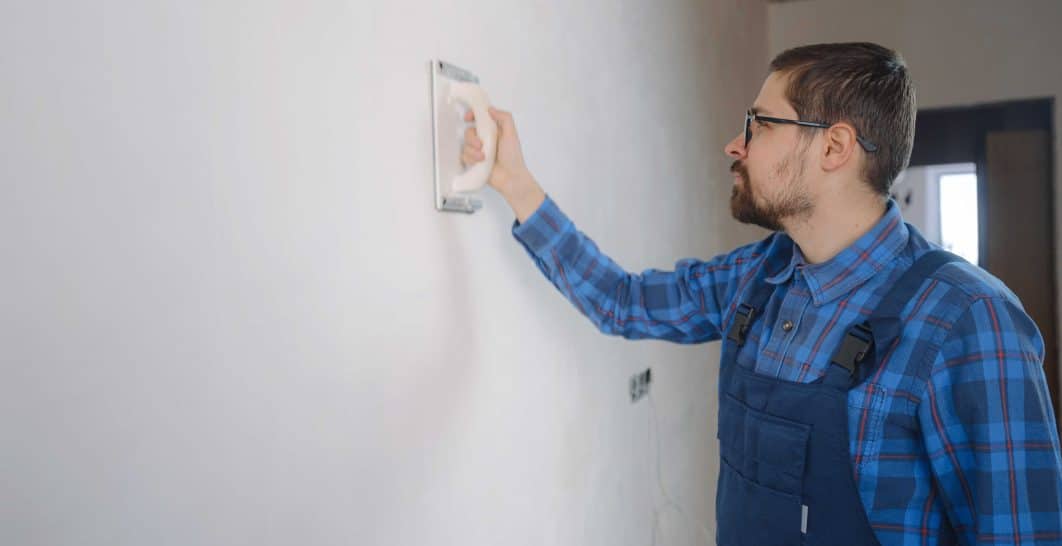
Small repairs can greatly improve a wall’s appearance. Gather tools like joint compound, sandpaper, and paint to limit trips. A drywall repair kit is handy for fixing small holes. Sand the patched areas, apply primer, and use matching paint for a smooth finish. Following these steps will enhance the wall’s look.
Quick and effective drywall repairs save you time and money and keep your walls looking great. The use of the right tools and techniques yields a polished and professional finish that will last.
Here are practical solutions for common drywall problems.
To fix minor damage, first clean the area with soap and water. Cut a piece of drywall to fit the hole or crack and secure it with screws. With the flat, broad side of a 6-inch taping knife, apply joint compound to the edges, smoothing them with water. Apply two to three thin coats and let them dry completely. Once they are dry, sand the edges with fine-grit sandpaper until smooth. Prime and paint the repaired area to match the wall.
For larger holes, sand rough areas and smooth the surfaces before repairing. Clean off dust before painting. Use a quick-drying compound for the first coat, applying several thin layers and sanding in between for a smooth finish. Choose high-quality paint for high-traffic areas. A drywall lift is essential for installing large sheets, especially on ceilings.
After repairs, sanding and painting are essential for a smooth finish. Begin with fine-grit sandpaper on patched areas, then use drywall primer to improve paint adhesion. Apply drywall sealant on repairs for moisture protection. Caulk around windows and doors to create a barrier, and regularly inspect these seals, fixing or replacing them as necessary to prevent future drywall issues.
To keep drywall durable, it’s important to maintain it properly. Use sealants and caulking to protect against moisture and regularly check for small issues. You can handle minor repairs, but for significant damage, structural issues, or mold, it’s best to hire a professional to avoid costly mistakes.
Drywall is essential for your home’s function and appearance. To keep it in good condition, clean scuffs, seal cracks promptly, and manage moisture. Use quality materials for small repairs, but hire a professional for bigger issues. Caring for your drywall protects your investment and improves your home’s look.
For expert assistance, contact a local drywall specialist. Regular maintenance can save you time later. TurnKey Sheetrock offers top-quality materials and services for renovations or new projects. Contact us today for a free quote!


 TurnKey Sheetrock