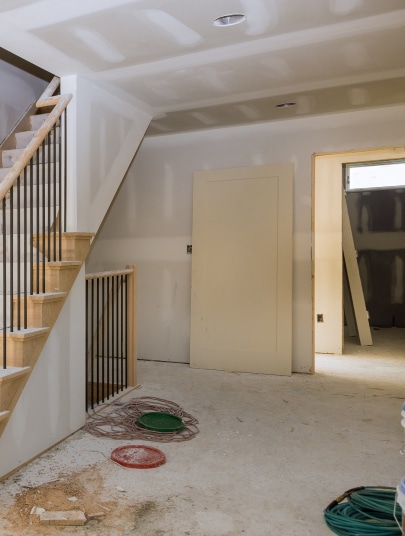
Have you ever seen those creepy cracks or weird bumps in your walls? Drywall can be that friend who hides the problems until it can no longer. Spotting issues early saves you heaps of trouble. Look for popping nails, discolored patches, or sagging ceilings.
Don’t wait around; get your tools in hand. You’ll want to patch up before things spiral. Knowing exactly what materials work best is crucial. You don’t want to wing it. A quick fix with the right stuff keeps your walls smooth. Trust Turnkey Sheetrock; your abode deserves a little TLC.
Damaged drywall can affect the outlook as well as the structure of your walls. Identify common signs like cracks, holes, or water stains indicating that your drywall needs to be repaired for the value and safety of your home.
 Water damage in drywall is an indication of the presence of a more significant issue. Wet spots and peeling paint are probably indications of water damage, affecting 14% of properties every year. Mold growth can happen when water accumulates, affecting your home’s air quality as well as your health.
Sometimes, walls may look fine but hide mold. If you smell something moldy or see bubbles in the paint, act fast. Catching it early can prevent serious issues later.
Drywall holes and cracks can creep up on you. They may result from hanging heavy items or from your house settling. What initially seems like a harmless, small crack can eventually weaken your walls. Even tiny holes can lead to bigger problems, like moisture or bugs getting in.
One client thought that a small crack was nothing; little did she know that it would become a big problem. Cracks or holes don’t make themselves noticed, so be sure to have them inspected.
Discoloration and stains on drywall signal potential problems. Water leaks often cause stains that make walls look old. These stains can also hide moisture problems or mildew, which can be harmful. If you spot brown rings or odd patches, investigate further. A small stain can quickly become a bigger problem if ignored.
If your drywall is sagging or bulging in a particular area, consider it a warning sign to watch out for potential structural problems or water damage. A small bulge from the ceiling led one homeowner to a costly repair after discovering a leak from above the bathroom. Well, if your walls do not look flat, just dig deeper. Better to be safe than sorry!
Nail pops are annoying bumps that appear when nails or screws push out of the drywall. While they might seem just cosmetic, they can signal movement in your home. If you notice a few nail pops, it’s time to care for your walls!
Tears in drywall, especially at corners or edges, can signal bigger issues. This damage often happens due to stress from shifting or settling. If you notice tearing, contact a professional to identify the problem before it worsens.
Visible damage, like wall gouges from moving furniture or hanging décor, can quickly lead to bigger problems if not fixed. I once helped a homeowner with a small wall gouge that revealed larger drywall issues. Addressing these visible problems promptly can save you from costly repairs in the future.
You might wonder if you need a toolbox full of tools. The truth is, you don’t. Drywall repairs usually take no more than a handful of basic tools: a putty knife for joint compound, a sanding block to knock off rough spots, a utility knife for cuts, and a drywall saw when there are bigger cuts needed.
These will cost in the range of $50-$200. And that’s an awful lot, but then so is the peace of mind you get from your house. The right tools can easily fix cracks and holes, saving you from small repairs costing $100 to $300.
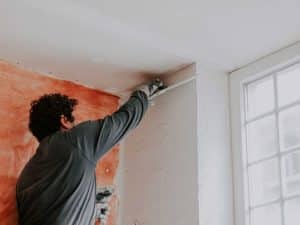 To fix drywall, start with small holes or cracks using spackle. Just apply it with a putty knife, smooth it out, and let it dry.
These easy repairs can take a few hours to a day. For larger holes, cut out a square around the damage, then fit a new piece of drywall in. Medium repairs may cost $300 to $800, but you can learn to do them with practice. Big projects, like replacing walls or fixing water damage, can exceed $1,000.
Luckily, you can handle 80% of drywall damage with basic tools and techniques, so you can likely do it yourself.
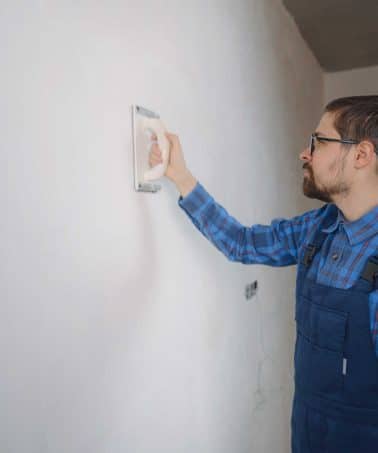
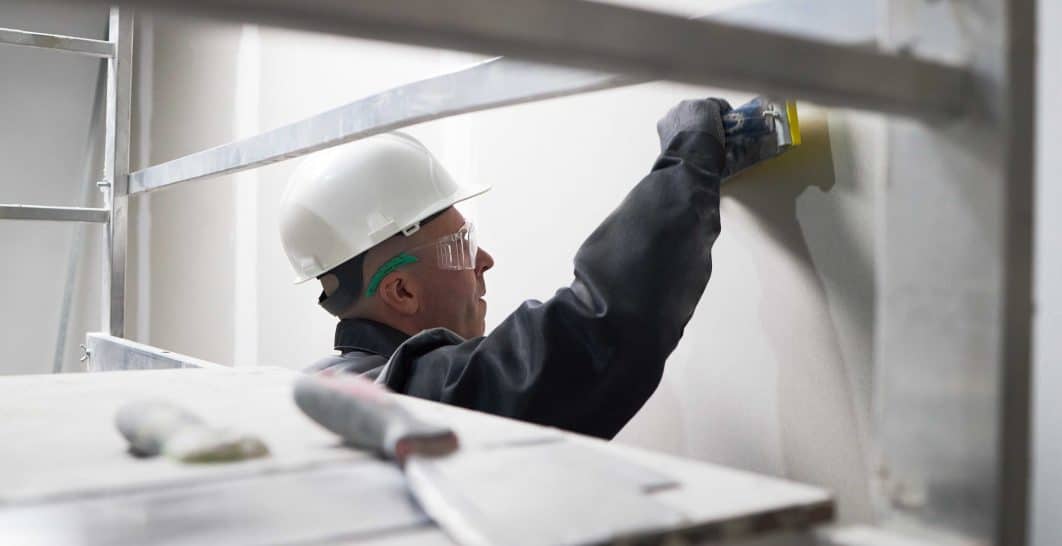
After patching your drywall, the finish is key. Use joint compound correctly for a smooth result. Apply a coat over the patch, let it dry, and check if a second coat is needed.
If so, apply a thin second layer and let it dry again. Once dry, sand it until smooth. For heavy items, use drywall anchors like a toggle or molly bolts to evenly distribute weight and avoid issues later.
Ignoring drywall damage can lead to bigger problems later. As a homeowner, take these issues with utmost seriousness because they would decrease the value of your home by 1-5%. Delaying in fixing small cracks or holes may cause major problems such as water damage and mold, even in a humid area like New Orleans.
Mold can trigger allergies and respiratory issues, making your home unsafe. Addressing these repairs on time saves money and maintains your home’s integrity. Don’t wait—book your repair today!
Hey everyone, we’ve got some work to do! Those cracks and water stains need attention. Fixing drywall isn’t just about looks; it keeps your home safe. We have the tools and tips you need.
Don’t wait—small issues can become big problems fast. Got questions? TurnKey Sheetrock is just a call away. Keep your walls in great shape; your home deserves it! Contact us today!


 TurnKey Sheetrock